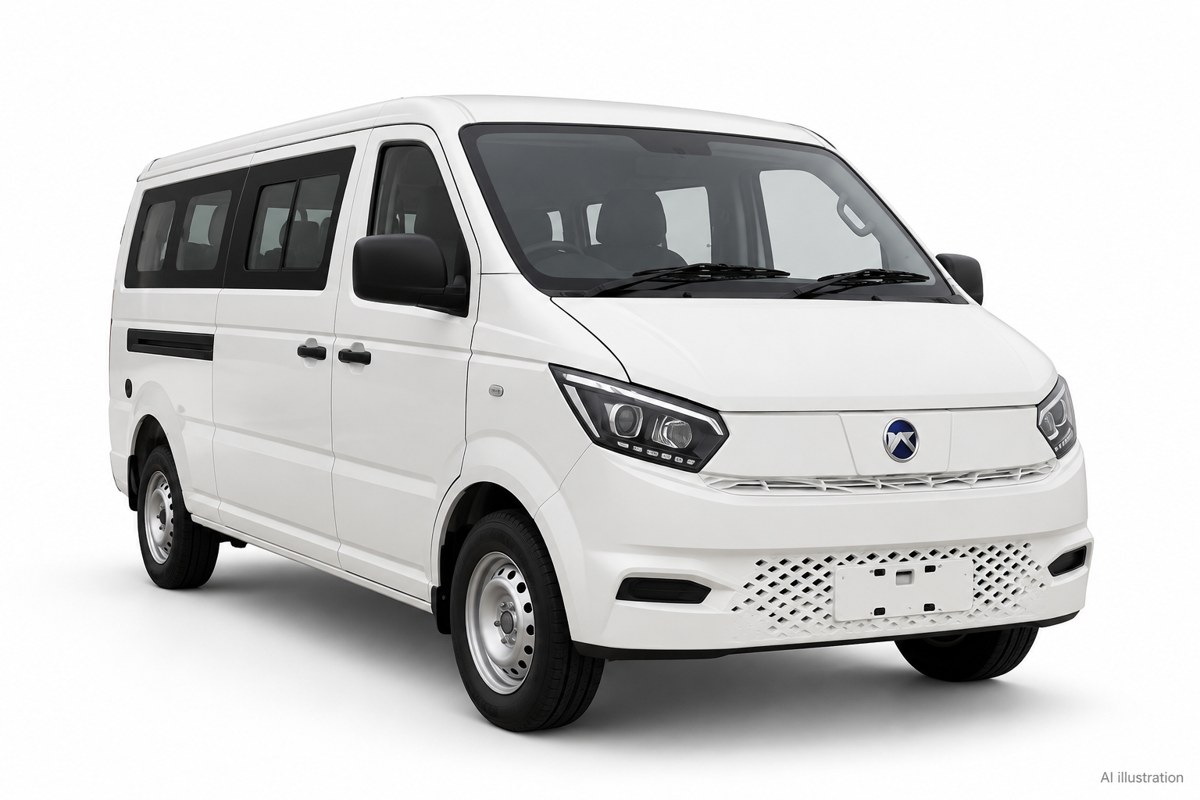
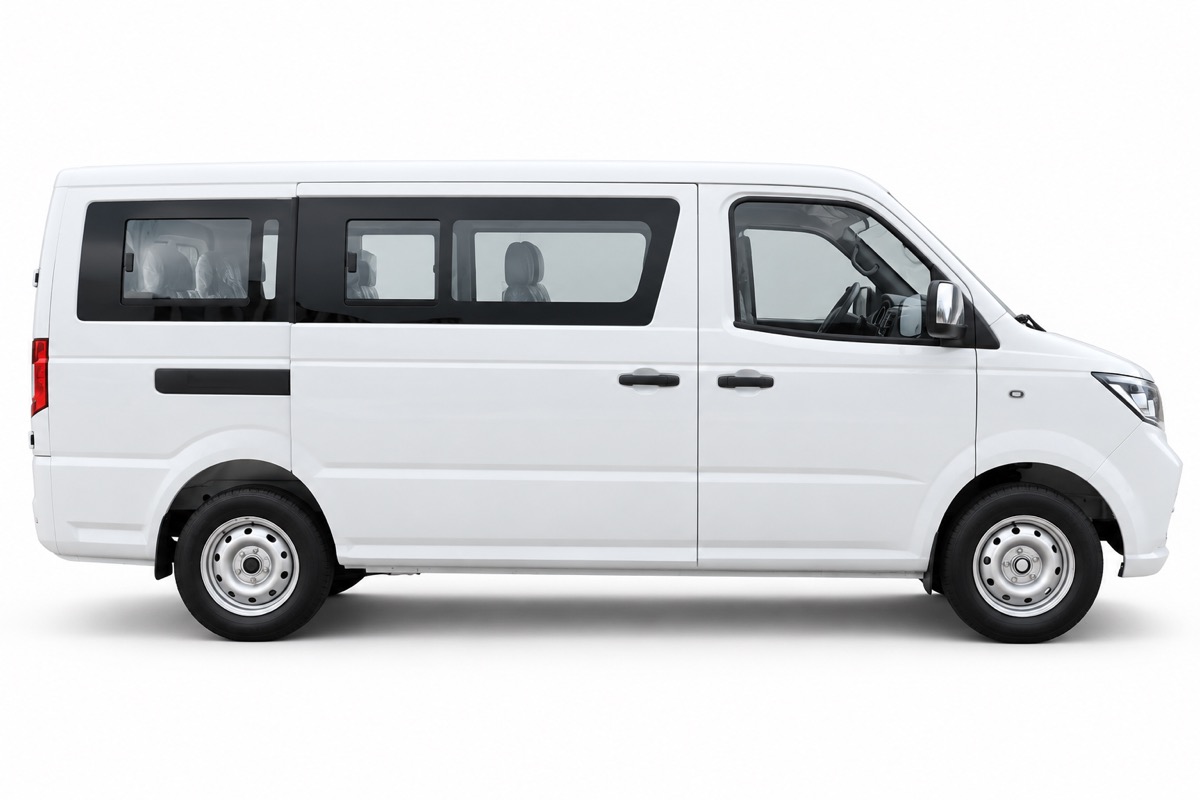
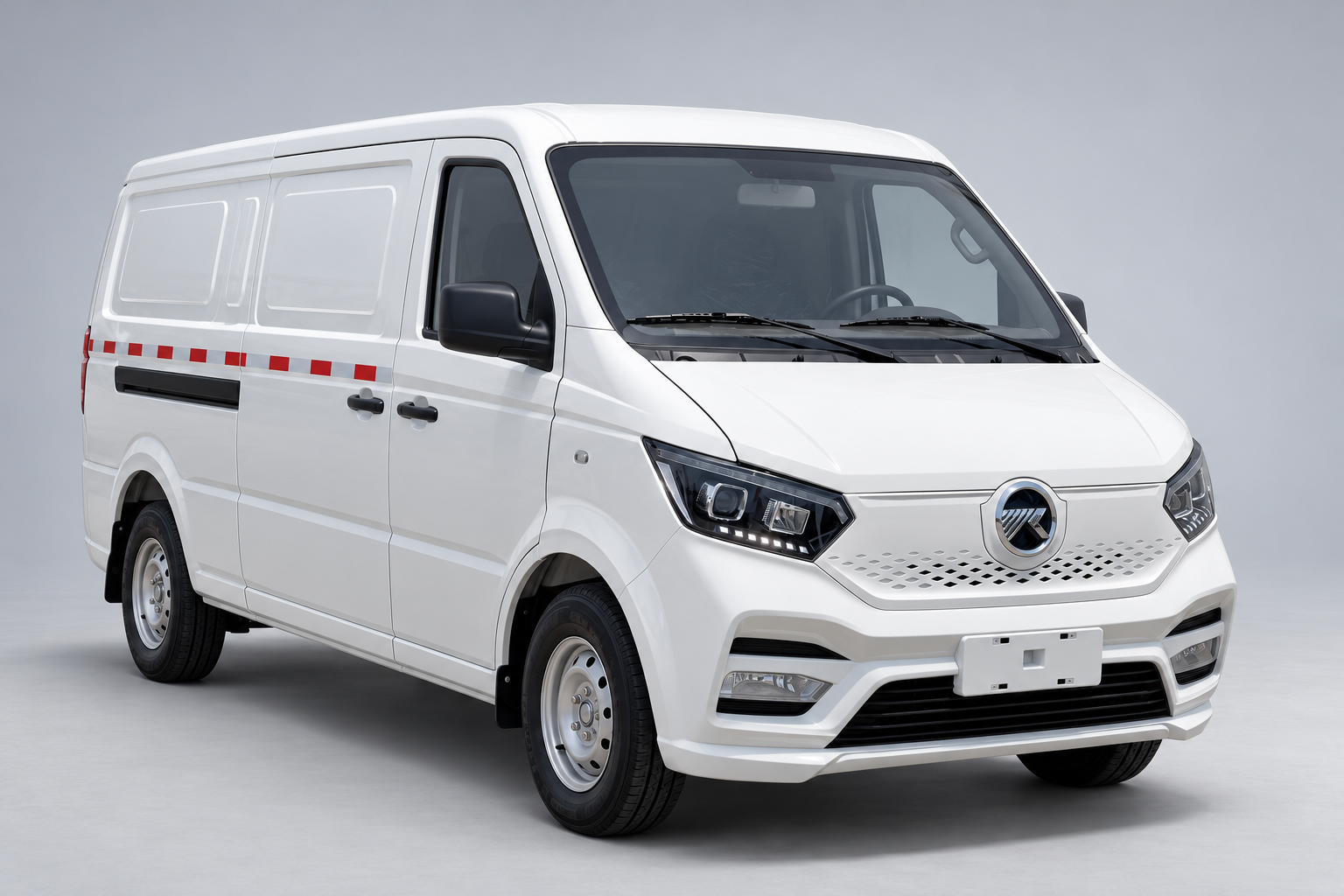
KAMA ESP7 Electric Minibus | Gotion 51.45 kWh Configuration
ESP7 Passenger Minibus
Gotion 51.45 kWh LFP
Left-Hand Drive
14-Seat Reference Layout
310 km CLTC Reference
Configuration and Delivery Checks
KAMA ESP7 Gotion Electric Minibus: Configuration and Delivery Checks
This KAMA ESP7 passenger minibus configuration uses a 51.45 kWh Gotion lithium iron phosphate battery and left-hand drive. It is a starting point for importers and fleet buyers assessing scheduled shuttle and staff-transport applications. Confirm the intended service, destination requirements and exact supplied build before making an operating commitment.
Identify the configuration before inspection
| Item | Reference specification |
|---|---|
| Model | KAMA ESP7 passenger minibus |
| Battery | Gotion LFP, 51.45 kWh |
| Rated / peak motor power | 35 / 70 kW |
| Steering | Left-hand drive |
| Overall dimensions (L × W × H) | 5265 × 1715 × 2065 mm |
| Wheelbase | 3450 mm |
| Reference seating layout | 14 seats, arranged 2+3+3+3+3 in the source sheet |
| Curb weight / gross vehicle weight | 1820 / 3320 kg |
| Tyres | 195R14C |
| Reference range | 310 km CLTC |
| Charging | Fast and slow charging; confirm the interface and equipment for the order |
The seating figure describes the reference layout. Confirm the complete drawing, driver position, passenger access and luggage requirements for the supplied vehicle. It does not establish permission to operate a particular passenger service.
Use a traceable pre-shipment check
| Check | Evidence to request | Question to close before release |
|---|---|---|
| Vehicle identity | Identification plate and VIN record tied to the order. | Does every record refer to the same vehicle and configuration? |
| Battery version | Readable battery identification and the agreed specification. | Is the supplied version the Gotion 51.45 kWh configuration? |
| Passenger layout | Full cabin photographs and a labelled seating drawing. | Do positions, access and agreed equipment match the order? |
| Charging equipment | Inlet and supplied equipment identification, plus the agreed function-check record. | Does the equipment match the specified interface and planned charging arrangement? |
| Handover items | Agreed document and accessory list with an inspection record. | Are discrepancies closed, or clearly assigned for resolution? |
A photograph alone is not a completed inspection. Link each issue to the vehicle, describe the discrepancy and agree who will provide corrective evidence. Where a check needs a qualified technical inspector, agree that scope separately. Do not treat an unverified image or an unchecked list as acceptance.
Plan the passenger route separately from the catalogue range
The 310 km value is a CLTC reference for this configuration. Passenger and luggage load, gradients, speed, weather and air-conditioning use affect actual operation. Record the route and available charging window, then assess the actual vehicle and charger together. The reference figure is not a guaranteed daily route distance.
The source sheet lists front air conditioning, ABS, power steering, MP5 media, power windows and central locking. Confirm the final equipment list. Rear air conditioning, another steering layout or other requested options should be identified separately in the order rather than inferred from a reference photograph.
Create a vehicle-by-vehicle delivery evidence folder
For a multi-vehicle ESP7 order, keep the evidence for each vehicle together. Use the order reference and vehicle identification to distinguish similar-looking units. A shared photo folder without identification can make it difficult to establish which vehicle has been inspected or which issue has been corrected.
| Evidence group | Suggested record | Purpose |
|---|---|---|
| Identity | Vehicle identification record linked to the final configuration reference. | Connect the vehicle to its documents and inspection results. |
| Exterior | Front, rear and both sides, plus close-ups of any noted damage. | Document visible condition at the agreed handover stage. |
| Passenger cabin | Complete seating arrangement, access areas and agreed equipment. | Compare the supplied layout with the approved drawing. |
| Charging and accessories | Readable identification of the inlet, supplied equipment and listed accessories. | Check the agreed supply list; photographs do not replace a functional check. |
| Issue closure | Original issue, corrective action, follow-up evidence and reviewer decision. | Distinguish a reported problem from a verified resolution. |
Use a discrepancy log with an explicit acceptance decision
For every discrepancy, record the vehicle reference, the requirement that was not met, supporting evidence, responsible person and proposed next step. When corrective evidence arrives, link it to the original entry. A new photograph should not automatically close an issue: the nominated reviewer must decide whether it demonstrates the required result.
Separate visual checks from tests requiring qualified personnel. Do not open high-voltage equipment simply to obtain a photograph. Agree the inspection scope and responsible technical personnel in advance. Keep personal details and private customer information out of publicly shared images.
Prepare the receiving team before dispatch
Agree who receives the vehicle documents, accessory list and unresolved-issue register. At receipt, compare the delivered vehicle and items with the handover record and document any new discrepancy. This suggested evidence workflow does not replace destination-specific requirements or the inspection scope agreed for the order.
Send your intended quantity, destination, inspection requirements and receiving contact role so the ESP7 handover documentation can be planned around the actual shipment.
Prepare for handover and repeat orders
Keep the vehicle identity record, final configuration, agreed inspection evidence and document list together. Ask for the proposed warranty terms, service contact and parts-identification process before handover. Confirm delivery timing and transport arrangements for the actual order; a general product page cannot establish a fixed production schedule.
Buyer questions
Is this the same as a generic 300 km electric minibus?
Use the model and battery version to identify the vehicle. This page refers to the ESP7 Gotion 51.45 kWh configuration with a 310 km CLTC reference. Another version needs its own specification.
How do we confirm the seat count?
The supplied reference sheet shows 14 seats and the arrangement 2+3+3+3+3. Confirm the driver position and final seating drawing for the order, together with luggage and access requirements.
What should a distributor send?
Provide the company, country, intended passenger service, quantity, required seating and equipment, route profile and charging plan. Include any documentation and inspection requirements so the proposed configuration and handover scope can be reviewed together.