KAMA ES6 Electric Cargo Van | Configuration and Export Checks
ES6 Enclosed Cargo Van
Left-Hand Drive
Gotion LFP Battery
41.932 kWh Reference Configuration
35/70 kW Rated/Peak Motor Power
3050 mm Wheelbase
AC and DC Charging
Configuration Verification
Loading Assessment
Pre-Shipment Checklist
ES6 Electric Cargo Van for Importers and Delivery Fleets
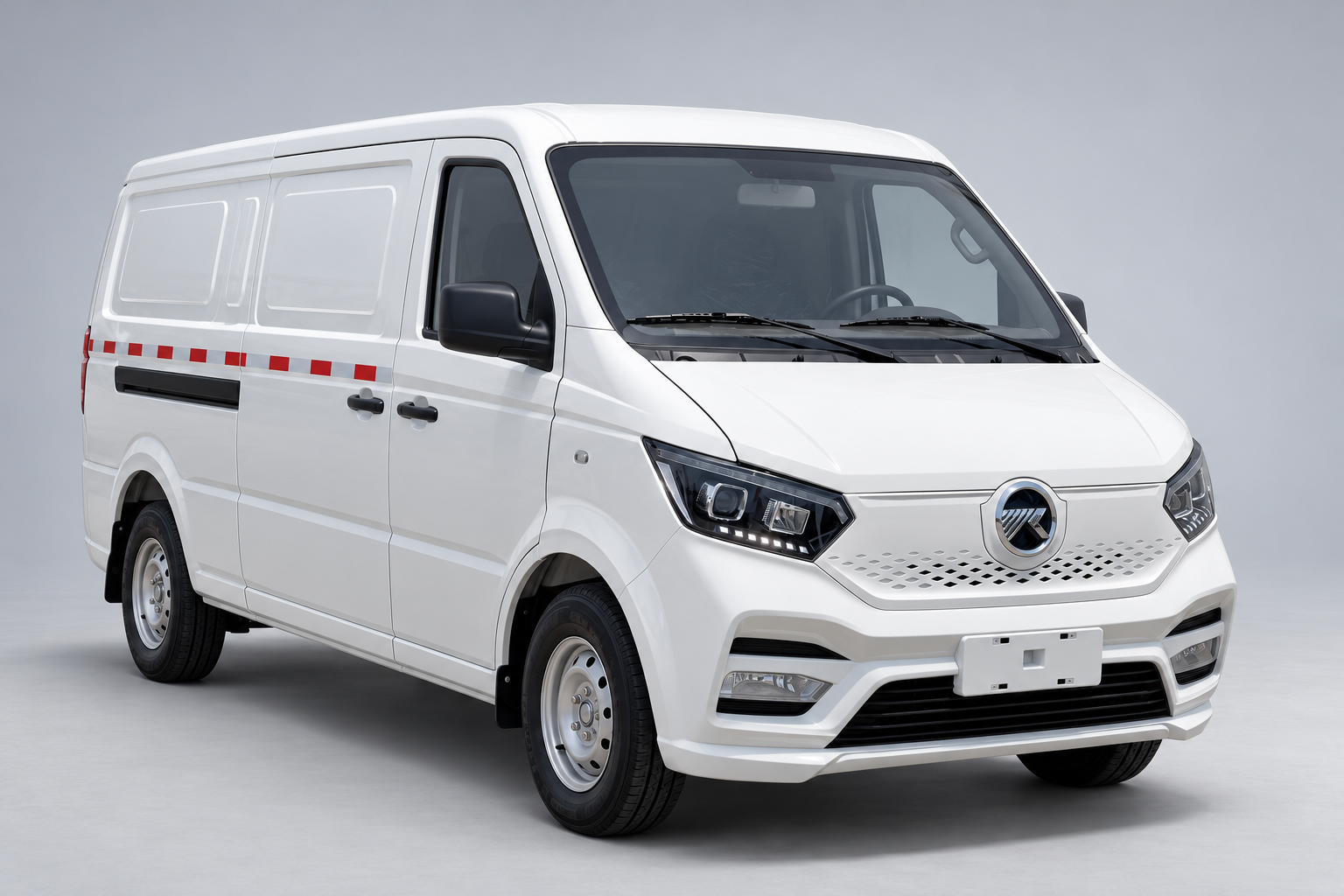
The KAMA ES6 is an enclosed electric cargo van for buyers evaluating city distribution, parcel delivery and business cargo routes. This product brief focuses on the left-hand-drive Gotion LFP configuration and the information an importer should verify before ordering and shipment. A defined vehicle specification helps distributors prepare consistent customer proposals and repeat orders.
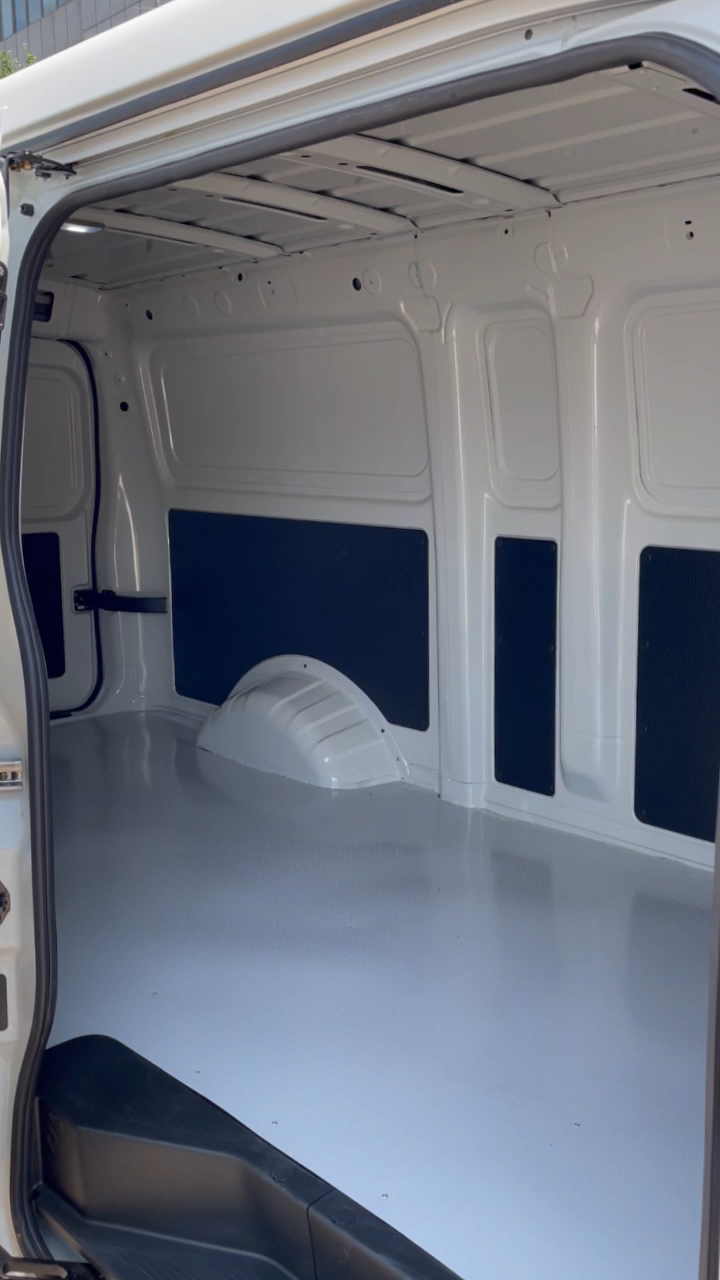
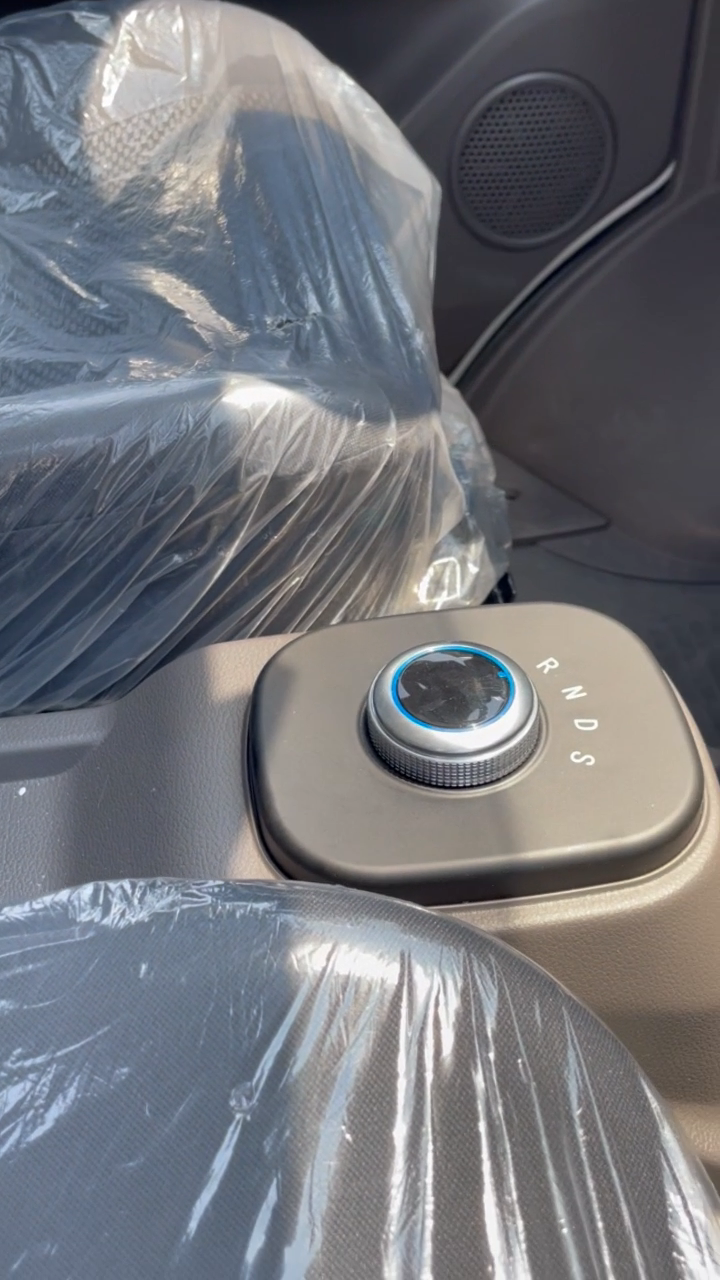
The illustrated main image was prepared with AI using an ES6-labelled vehicle video as reference. Cargo-bay and drive-selector images are frames from that video. They show the body and controls; the supplied battery, dimensions and equipment follow the agreed vehicle specification.
Gotion Reference Configuration
| Item | Configuration reference |
|---|---|
| Model | KAMA ES6 |
| Body application | Enclosed cargo van |
| Power type | Battery electric vehicle (BEV) |
| Steering | Left-hand drive |
| Battery brand / chemistry | Gotion / lithium iron phosphate (LFP) |
| Battery capacity | 41.932 kWh, as listed in the Gotion reference sheet |
| Motor rated / peak power | 35 / 70 kW |
| Wheelbase | 3050 mm |
| Overall dimensions (L × W × H) | 4865 × 1715 × 1995 mm |
| Curb weight / gross vehicle weight | 1660 / 3020 kg |
| Tyres | 185R14LT |
| Charging | AC and DC support; inlet and charger compatibility confirmed per order |
| Reference range | 260 km CLTC, as listed in the Gotion reference sheet |
| Loading dimensions and allowable load | Confirm from the approved configuration drawing and finished-vehicle specification |
The figures above are taken from the local ES6 Gotion specification sheet. Keep the configuration name, dated specification and order requirements together. The listed 260 km CLTC range is a test-cycle reference; actual operating distance varies with cargo, terrain, speed, climate, cabin loads and charging opportunities.
The user supplies both Gotion and CATL battery versions of the ES6. If you require a CATL version, request its separate battery and vehicle specification. Do not transfer the Gotion figures into a different configuration or assume both versions have identical operating performance.
Check Your Cargo Before Selecting the Van
Provide the size and weight of the goods, the maximum load during the route and how staff load and unload. Compare cargo-space measurements, door-opening clearance and overall vehicle size separately. The cargo-bay photograph cannot establish a certified payload or whether a particular crate will pass through the door.
Request a drawing with measurement points for the intended load. Include wheel housings, any fixed equipment and the loading path. The allowable cargo load must come from the finished vehicle specification and applicable axle limits. A gross-weight calculation or a broad product-family description is not a substitute for that specification.
Route and Charging Assessment
Record the ordinary and most demanding working day: total distance, gradients, stops, loading locations, departure and return times, second shifts and access restrictions. Ask whether the van returns to a depot between routes and which charging equipment is available.
For charging, confirm the vehicle inlet, charger interface, power supply and operating schedule together. Charging time and practical daily distance should be assessed for the offered configuration and route. This page does not promise a fixed charging time or unrestricted use in every destination.
Pre-Shipment Configuration Checks
Match the vehicle identification and nameplate to the agreed model and order specification.
Confirm the battery brand, capacity label and agreed charging equipment for the supplied version.
Record the cargo-bay and door measurements needed for the customer's load.
Review exterior, cabin, controls and the equipment checklist, including any agreed options.
Keep photographs, inspection notes and any corrective actions with the order record.
Confirm the destination document list and shipment arrangement with the parties handling the order.
Inspection photographs and a completed checklist provide traceability for the agreed checks. Certification, destination acceptance, warranty, spare parts and support arrangements are confirmed for the actual vehicle and order.
Frequently Asked Questions
Is the ES6 a passenger van?
This brief describes the enclosed cargo ES6. Passenger transport requires a separately confirmed passenger model and seating layout.
Can I compare Gotion and CATL versions?
Yes. Request a separate specification for each offered version and compare them against the same load, route and charging requirements.
Which dimensions should a fleet buyer provide?
Send the largest package or equipment dimensions, load weight and intended loading method. Request usable-space and door-opening measurements for the supplied vehicle.
What information starts an importer enquiry?
Provide your company, destination country, planned quantity, preferred battery version, cargo description and route. Add charging, equipment, documentation and inspection requirements.
Prepare Your ES6 Procurement Brief
Contact the export team with these requirements to review the model, configuration and shipment checks for your project. Keep the confirmed configuration version in subsequent communications and repeat orders.


