Why Left-Hand Drive New Energy Commercial Vehicles Are Becoming a Smart Choice for Global Buyers
Why Left-Hand Drive New Energy Commercial Vehicles Are Becoming a Smart Choice for Global Fleet Buyers
Introduction
In 2026, global demand for new energy commercial vehicles is moving from early interest to practical purchasing decisions.
For many distributors, importers and fleet buyers in Africa, the Middle East, South America and Central Asia, the key question is no longer whether electric commercial vehicles have potential. The real question is which type of electric vehicle can match local business use, registration requirements, charging conditions and long-term operating cost.
This is why left-hand drive new energy commercial vehicles are becoming an important category for export markets. Compared with passenger EVs, commercial EVs are more directly connected to business value. They are used for delivery, logistics, municipal service, small cargo transport, industrial parks, shuttle service and local distribution.
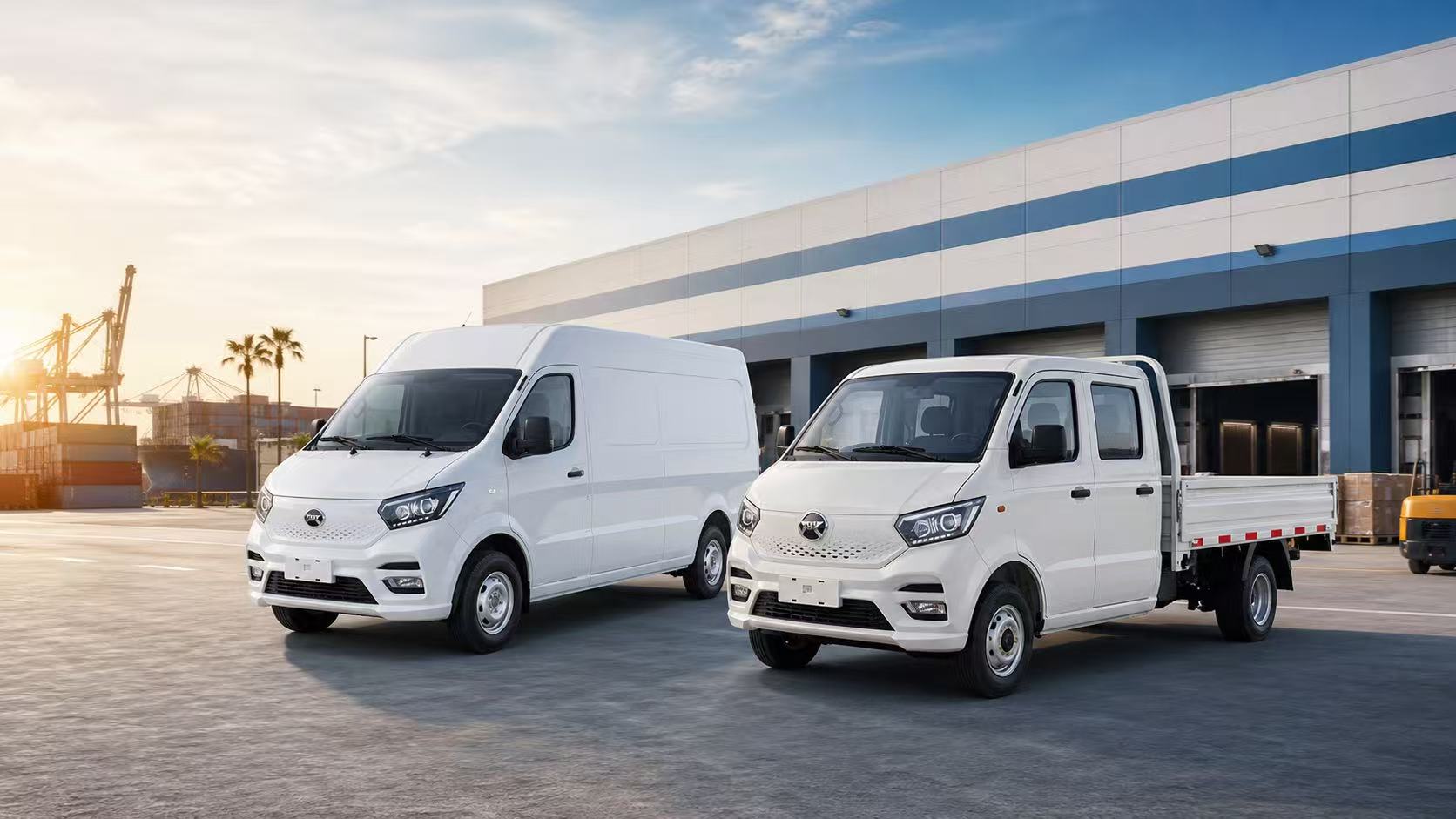
For buyers looking for practical business vehicles, left-hand drive EV mini trucks, electric cargo vans and light-duty electric trucks are becoming some of the most attractive options.
Why Left-Hand Drive Matters in Export Markets
For many countries, left-hand drive is not just a preference. It is a basic requirement for road use, local registration and customer acceptance.
Large parts of Africa, the Middle East, South America and Central Asia use left-hand drive vehicles. If an importer chooses the wrong driving configuration, the vehicle may face problems in registration, resale and daily operation.
This is why international buyers are searching more frequently for terms such as:
left-hand drive electric commercial vehicle
LHD electric cargo van
left-hand drive EV mini truck
China electric commercial vehicle supplier
electric van for Africa
new energy commercial vehicle for export
For distributors, choosing left-hand drive vehicles can reduce market resistance. For fleet buyers, it helps drivers operate vehicles more safely and naturally in local road conditions.
New Energy Commercial Vehicles Are More Suitable for Business Use
Passenger EVs often depend on personal preference, brand popularity and consumer lifestyle. Commercial EVs are different.
For commercial buyers, purchasing decisions are based on cost, efficiency and return on investment. A company that operates delivery vans or cargo trucks cares about daily mileage, charging time, loading space, maintenance cost and vehicle uptime.
This makes new energy commercial vehicles highly suitable for fixed-route and city-use scenarios.
Typical applications include:
Urban delivery
E-commerce logistics
Supermarket distribution
Spare parts delivery
Small cargo transport
Airport and port service
Industrial park transportation
Municipal service
Local fleet operation
Short-distance business transport
For these applications, electric vehicles can help reduce fuel dependence and support more predictable daily operating costs.
Electric Cargo Vans: A Strong Product for Urban Logistics
Among all new energy commercial vehicles, the electric cargo van is one of the most practical products for emerging markets.
An electric cargo van usually offers enclosed cargo space, flexible city driving, easier loading and strong suitability for delivery businesses. It can serve logistics companies, courier operators, supermarkets, online retailers, medical supply companies and local service businesses.
For many importers, electric cargo vans are easier to promote than large electric trucks because they have a wider customer base. A single model can be sold to multiple industries.
For fleet operators, the value is also clear. If the vehicle is used for daily delivery routes, the company can plan charging more easily and estimate operating costs more accurately.
This is why left-hand drive electric cargo vans are likely to remain a high-potential product category for export markets in 2026.
EV Mini Trucks: A Practical Choice for Small Business Transport
In many developing markets, small commercial vehicles are the backbone of daily business.
EV mini trucks are especially suitable for local distribution, small goods delivery, agricultural product transport, warehouse transfer and city cargo service. Compared with larger trucks, EV mini trucks are more flexible, easier to operate and more affordable for small business owners.
For distributors, this product category can help reach a larger customer group. Many buyers may not be ready to purchase a full-size electric truck, but they may be willing to test an electric mini truck for daily business use.
A left-hand drive EV mini truck can be positioned for:
Small logistics companies
Local distributors
Retail delivery businesses
Farmers and agricultural traders
Hardware and building material shops
Municipal service contractors
Industrial park operators
First-time EV fleet buyers
For export markets, EV mini trucks are not only a vehicle product. They can also become an entry-level product for building long-term customer relationships.
Light-Duty Electric Trucks: A Growing Opportunity for Fleet Buyers
Light-duty electric trucks are also gaining attention because they can serve heavier commercial needs than mini trucks or cargo vans.
For companies that need more payload, larger cargo bodies or customized upper bodies, light-duty electric trucks may provide better flexibility. They can be used for box bodies, flatbeds, refrigerated transport, service vehicles and other commercial applications.
For distributors, light-duty electric trucks can improve the product lineup. Instead of only selling one type of EV, a stronger commercial vehicle portfolio may include:
EV mini trucks
Electric cargo vans
Light-duty electric trucks
Fuel light trucks
CKD / SKD cooperation options
Spare parts and after-sales support
This allows importers to serve different market segments and build a more complete commercial vehicle business.
What Buyers Should Check Before Importing LHD New Energy Commercial Vehicles
Before importing left-hand drive new energy commercial vehicles, buyers should not only compare prices. The correct model selection is more important than the lowest quotation.
A professional buyer should confirm the following information first:
1. Target Country and Local Driving Side
The supplier must know the destination country and whether the market requires left-hand drive or right-hand drive vehicles. For LHD markets, choosing a left-hand drive model from the beginning can reduce later risk.
2. Main Business Use
The vehicle should match the actual use. A delivery company may need an electric cargo van, while a small business owner may prefer an EV mini truck. A project customer may need light-duty electric trucks or customized bodies.
3. Daily Mileage
Electric commercial vehicles should be selected according to daily operating distance. Buyers should consider real road conditions, load weight, traffic congestion and charging availability.
4. Cargo Space or Payload Requirement
For logistics users, cargo volume and payload are critical. A vehicle that looks attractive on price may not be suitable if it cannot carry the required goods.
5. Charging Interface and Charging Conditions
Different markets may require different charging standards. Buyers should confirm charging port type, charging time, local charging infrastructure and whether depot charging is possible.
6. Spare Parts and After-Sales Support
Commercial vehicles are used to make money. Downtime means business loss. Spare parts supply, technical support and maintenance guidance should be considered before purchase.
7. Order Quantity and Long-Term Cooperation
For distributors and fleet customers, the first order can be used to test the market. After confirming market response, buyers can plan larger orders, local marketing or even CKD / SKD cooperation.
Why Global Buyers Are Looking at China Suppliers
China has become one of the most important supply sources for electric vehicles and new energy commercial vehicles.
For global buyers, Chinese suppliers can often provide more flexible product options, faster model development and more competitive pricing. This is especially important for emerging markets where buyers need practical vehicles rather than only premium passenger EVs.
For commercial vehicle buyers, the advantages of working with a China supplier may include:
More model choices
Competitive export pricing
Faster quotation response
Flexible configuration support
Battery and charging option discussion
LHD and RHD market adaptation
CKD / SKD cooperation possibilities
Spare parts supply support
Export document coordination
For buyers in Africa, the Middle East, South America and Central Asia, these factors can make Chinese new energy commercial vehicles more suitable for real business operations.
How KAMA QC Supports Overseas Buyers
KAMA QC focuses on helping overseas buyers source export-ready commercial vehicles with greater speed, clarity and confidence.
Our main product categories include:
Left-hand drive EV mini trucks
Left-hand drive electric cargo vans
Light-duty commercial vehicles
Fuel and new energy commercial vehicle options
CKD / SKD cooperation support for qualified projects
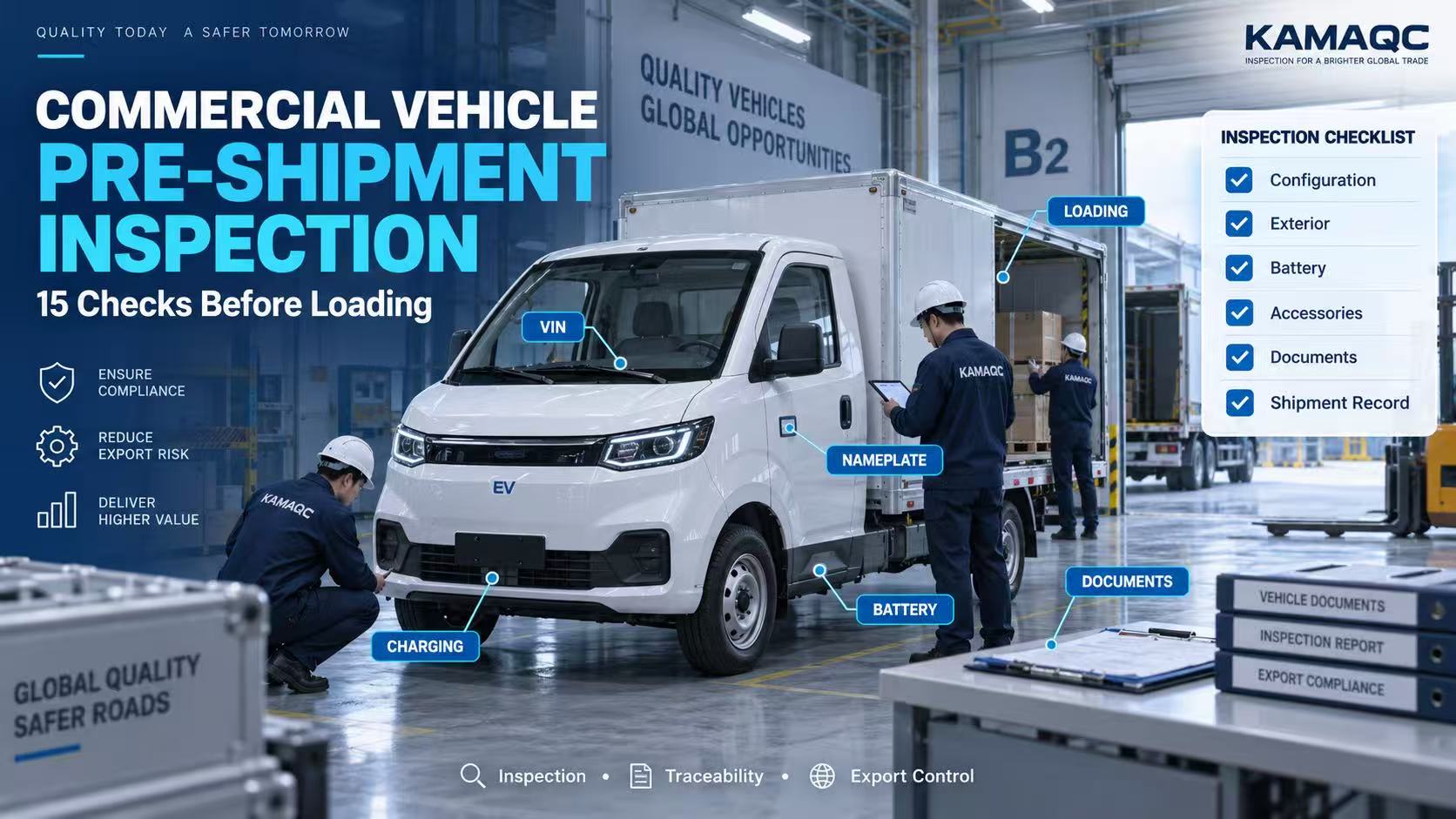
Export coordination and inspection assistance
Spare parts and after-sales support
For global distributors, importers and fleet buyers, our role is not only to provide a vehicle quotation. We help buyers evaluate the correct model according to country, usage, quantity, driving side, charging condition and business plan.
This helps customers reduce purchasing mistakes and improve the success rate of their vehicle import projects.
Recommended Markets for LHD New Energy Commercial Vehicles
Left-hand drive new energy commercial vehicles are especially suitable for markets where commercial transport demand is growing and buyers are seeking lower operating costs.
Key potential regions include:
Africa
Many African markets have strong demand for affordable commercial vehicles, urban logistics, small business transport and local fleet development. EV mini trucks and electric cargo vans can be suitable for delivery, service fleets and local distribution.
Middle East
The Middle East has strong logistics, construction, municipal and industrial service demand. In markets such as the UAE and Saudi Arabia, fleet electrification and clean transport projects are becoming more important.
South America
South American buyers often need durable, practical and cost-effective vehicles. LHD electric commercial vehicles can serve city delivery, small cargo transport and distributor product-line expansion.
Central Asia
Central Asian markets have increasing demand for practical commercial vehicles. LHD configuration is important, and buyers often look for vehicles that can support daily cargo, trade and local business use.
Conclusion
Left-hand drive new energy commercial vehicles are becoming one of the most promising export categories in 2026.
For global fleet buyers, these vehicles can support daily business operations, reduce fuel dependence and improve long-term cost control. For distributors, EV mini trucks, electric cargo vans and light-duty electric trucks can create new product opportunities in fast-growing markets.
The most important step is choosing the right model for the right market.
If you are looking for left-hand drive electric commercial vehicles, EV mini trucks, electric cargo vans or light-duty commercial vehicles for your market, KAMA QC can help you evaluate suitable options and provide quotation support.
Tell us your country, vehicle use, required quantity and preferred model type. Our team will recommend practical new energy commercial vehicle solutions for your business.
Focus Keywords
left-hand drive new energy commercial vehicles
left-hand drive electric commercial vehicle
LHD electric cargo van
LHD EV mini truck
electric commercial vehicle China supplier
new energy commercial vehicle for export
electric cargo van for Africa
EV mini truck for export
light-duty electric truck supplier
China electric commercial vehicle supplier
KAMA QC electric commercial vehicles
left-hand drive commercial vehicles for Africa
electric van for logistics
electric truck for fleet buyers