Why Rising Fuel Prices Are Accelerating Electric Commercial Vehicle Demand in Emerging Markets
Fuel cost has become one of the biggest challenges for logistics companies, municipal fleets, school transport operators and urban delivery businesses. As diesel prices continue to fluctuate, many fleet owners are paying closer attention to the total cost of ownership rather than simply comparing the initial purchase price of vehicles.
In this market environment, electric commercial vehicles are becoming an increasingly practical choice for importers, distributors and fleet operators across Africa, the Middle East, Latin America and Central Asia.
Fuel Costs Are Reshaping Fleet Purchasing Decisions
For commercial vehicle operators, fuel is not a small expense. A delivery van, light truck or minibus may operate every day, often covering fixed routes with predictable mileage. When fuel prices rise, the impact on operating cost is direct and immediate.
This is why more fleet buyers are moving from traditional purchase-price comparison to long-term operating cost analysis. Instead of asking only “Which vehicle is cheaper to buy?”, professional buyers are now asking:
- How much will the vehicle cost to operate every month?
- How stable is the energy cost?
- How often does the vehicle require maintenance?
- How much downtime will the fleet experience?
- Can the vehicle meet local regulations and daily route requirements?
These questions are pushing electric vans, electric mini trucks and electric minibuses into the center of fleet procurement discussions.
Why Electric Commercial Vehicles Are Becoming More Attractive
Compared with diesel vehicles, electric commercial vehicles have fewer moving parts and lower routine maintenance requirements. For urban delivery, municipal service and short-distance passenger transport, electric vehicles can offer clear advantages in daily operation.
Key advantages include:
- Lower energy cost: Electricity is often more stable and predictable than diesel.
- Reduced maintenance: Electric drivetrains require less routine servicing than combustion engines.
- Quiet operation: Electric vehicles are suitable for urban areas, campuses, communities and school transport.
- Zero tailpipe emissions: This supports clean transport policies and corporate sustainability goals.
- Better suitability for fixed routes: Many commercial fleets operate on predictable daily routes, making charging easier to plan.
Emerging Markets Are Becoming Important Growth Areas
Electric commercial vehicle demand is no longer limited to developed markets. Many emerging markets are also showing strong interest in fleet electrification, especially where fuel prices, urban emissions and public transportation costs are major concerns.
In Africa, the Middle East, Latin America and Central Asia, buyers are increasingly evaluating electric vehicles for:
- Urban logistics and last-mile delivery
- Municipal service fleets
- School and staff transportation
- Passenger shuttle services
- Light-duty cargo distribution
- Government and institutional fleet projects
For many importers and distributors, this creates a new business opportunity. Electric commercial vehicles can help them expand their product portfolio and meet the growing demand for lower operating costs.
Choosing the Right Electric Commercial Vehicle Is Not Only About Range
Driving range is important, but it should not be the only factor in the purchasing decision. A commercial vehicle must generate value every day, which means payload, charging compatibility, durability and after-sales support are equally important.
Before selecting an electric truck, electric van or electric minibus, buyers should carefully evaluate the following points:
1. Battery Quality and Warranty
The battery is one of the most important components of an electric commercial vehicle. Buyers should pay attention to battery brand, battery capacity, thermal management, warranty terms and long-term reliability.
2. Payload and Vehicle Configuration
Commercial vehicles are purchased for work. A vehicle with a long range but limited payload may not be suitable for real fleet operations. Buyers should select the right configuration according to cargo weight, passenger capacity and daily working conditions.
3. Charging Standard and Local Infrastructure
Different countries and regions may use different charging standards. Before importation, buyers should confirm whether the charging interface and charging power match local infrastructure.
4. Spare Parts and Technical Support
For fleet operators, downtime is a cost. Importers should work with manufacturers that can provide spare parts, technical documentation, remote support and maintenance training.
5. Certification and Homologation Requirements
Local regulations may require specific safety, braking, lighting, battery or charging-related documents. Professional buyers should confirm certification requirements before placing orders.
Total Cost of Ownership Is Becoming the Key Metric
The initial purchase price of an electric commercial vehicle may be higher than that of a traditional diesel vehicle. However, for many fleets, the long-term operating savings can be more important.
A total cost of ownership analysis should include:
- Vehicle purchase price
- Energy cost per kilometer
- Maintenance cost
- Spare parts cost
- Battery warranty and expected service life
- Charging equipment investment
- Vehicle uptime and operating efficiency
For urban fleets with stable routes, electric commercial vehicles may provide a stronger long-term business case than traditional fuel-powered vehicles.
Opportunities for Importers and Distributors
The transition to electric commercial vehicles creates new opportunities for professional vehicle importers and distributors. Markets with rising fuel costs, growing urban logistics demand and government interest in clean transport may see faster adoption of electric vans, electric mini trucks and electric minibuses.
Successful distributors should focus on:
- Reliable vehicle platforms
- Flexible product configurations
- Competitive operating cost
- After-sales service capability
- Spare parts supply
- CKD and SKD cooperation opportunities
- Long-term manufacturer support
For B2B buyers, choosing the right manufacturing partner is just as important as choosing the right vehicle model.
KAMA Electric Commercial Vehicle Solutions
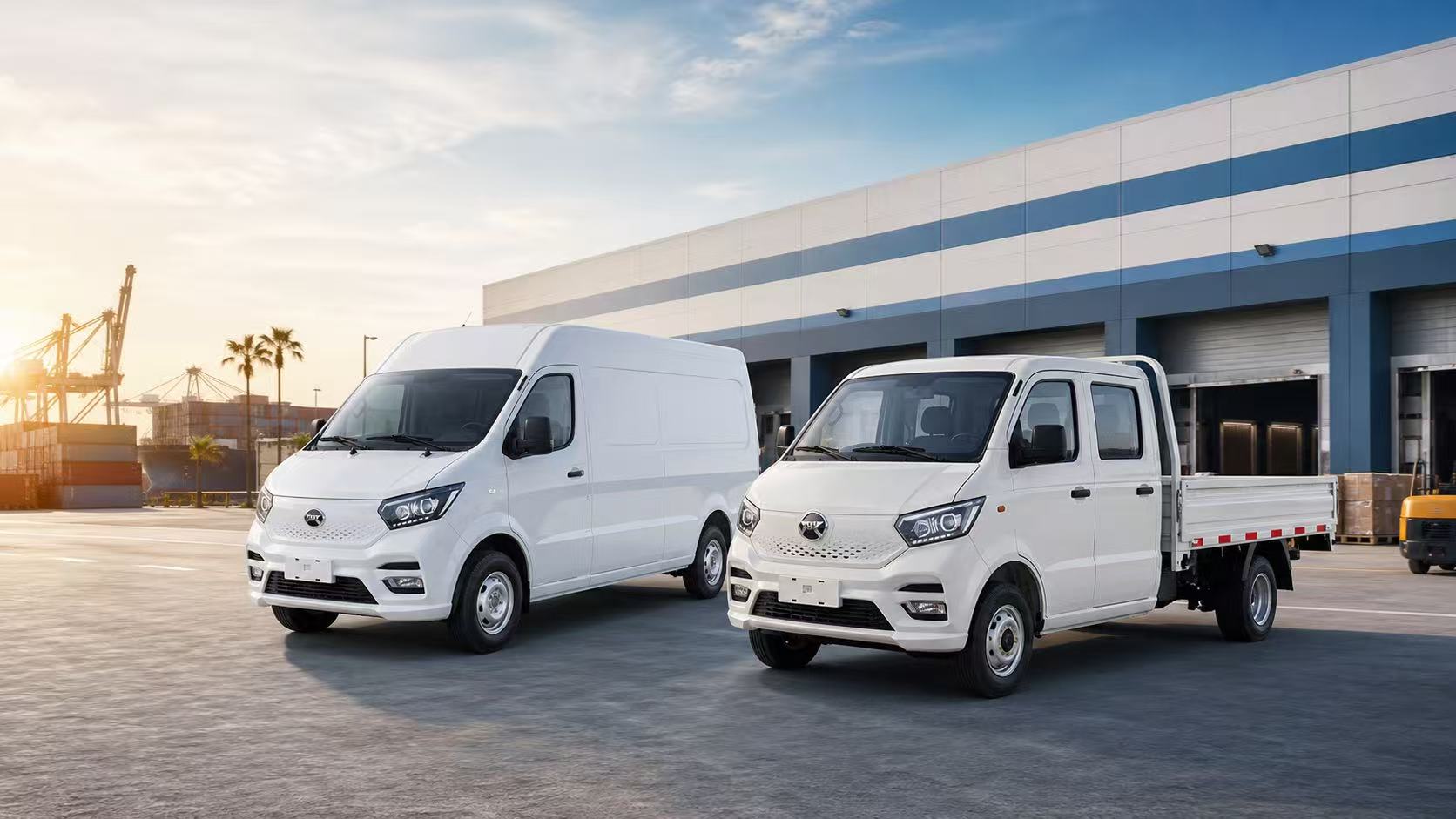
KAMA provides a range of commercial vehicle solutions for international markets, including electric cargo vans, electric minibuses, electric mini trucks and light-duty commercial vehicles. These models are designed for practical fleet applications such as logistics, passenger transport, municipal service and urban distribution.
For importers and distributors looking to develop electric commercial vehicle business, KAMA can support product selection, configuration planning, export documentation, spare parts supply and after-sales technical communication.
Explore more KAMA commercial vehicle solutions:
Conclusion
Fuel price volatility is changing the way fleet operators evaluate commercial vehicles. Instead of focusing only on purchase price, buyers are paying more attention to long-term operating efficiency, maintenance cost and total cost of ownership.
For emerging markets, electric commercial vehicles offer a practical path toward lower operating costs and cleaner transportation. For importers and distributors, 2026 represents an important opportunity to build a stronger electric commercial vehicle portfolio with reliable manufacturing partners.
FAQ
```Why are fleet operators switching to electric commercial vehicles?
Fleet operators are switching to electric commercial vehicles because they can reduce energy costs, lower maintenance requirements and improve long-term operating efficiency.
Are electric trucks suitable for emerging markets?
Yes. Electric trucks are suitable for many emerging market applications, especially urban delivery, municipal service and fixed-route fleet operations.
What should importers consider before choosing an electric commercial vehicle supplier?
Importers should evaluate battery quality, vehicle configuration, charging compatibility, certification documents, spare parts support and after-sales service capability.
Is driving range the most important factor when buying an electric commercial vehicle?
Driving range is important, but buyers should also consider payload, route conditions, charging infrastructure, vehicle durability and total cost of ownership.
```