Electric vs Diesel Mini Trucks: TCO Guide for Fleet Buyers 2026
Electric vs. Diesel Mini Trucks: A Total Cost of Ownership Guide for Fleet Buyers (2026)
Published by KAMA Export Supply & Quality Control Center — June 2026
When distributors and fleet buyers compare electric and diesel mini trucks, the conversation usually starts with the purchase price — and that is where many sourcing decisions go wrong. An electric mini truck typically carries a higher upfront cost than its diesel equivalent, but the purchase price is only one part of what a vehicle actually costs over its working life. For fleet operators running daily urban delivery, the total cost of ownership (TCO) over five to eight years often tells a very different story.
This guide walks through the main cost categories that overseas buyers should evaluate before choosing between EV and diesel configurations for their market.
1. Purchase Price: The Gap Is Narrower Than It Looks
A KAMA electric mini truck generally costs more than a comparable diesel model at the point of purchase, mainly due to the battery pack. However, two factors narrow this gap for export buyers. First, battery costs have continued to fall, and the price difference between EV and diesel configurations in the light commercial segment is smaller in 2026 than it was even two years ago. Second, many destination markets now offer import duty reductions, registration incentives, or tax exemptions for electric commercial vehicles — benefits that diesel vehicles do not receive. Before comparing FOB prices alone, buyers should confirm what EV incentives apply in their own market, because these can offset a significant portion of the upfront difference.
2. Energy Cost: Where Electric Vehicles Win Every Month
Energy is the largest recurring cost for any delivery fleet, and this is where electric mini trucks build their advantage. Charging an EV mini truck for a typical urban delivery route costs a fraction of the equivalent diesel fuel in most markets. For a vehicle covering 100–150 km per day in city delivery work, the monthly energy saving per vehicle is substantial — and it scales directly with fleet size. A distributor supplying a fleet customer with twenty vehicles is not selling twenty trucks; they are selling years of reduced operating expense, and this is one of the strongest commercial arguments when promoting EV models to end users.
Diesel prices also fluctuate with global markets, while electricity prices in most regions are more stable and predictable, which makes fleet budgeting easier for the end customer.
3. Maintenance: Fewer Parts, Fewer Workshop Visits
An electric drivetrain has far fewer moving parts than a diesel engine. There is no engine oil to change, no fuel filters, no timing components, no clutch wear in the conventional sense, and no exhaust after-treatment system to maintain. Brake wear is also reduced because regenerative braking handles much of the deceleration in stop-and-go urban driving.
For fleet operators, this means lower scheduled maintenance costs and — just as importantly — less vehicle downtime. A delivery truck in the workshop is a truck that is not earning. For distributors, the simpler EV drivetrain also reduces the range of spare parts that need to be stocked locally, although it does require basic high-voltage service training for local technicians, which KAMA supports through after-sales documentation and parts supply.
4. Battery Life and Residual Value
The battery is the component buyers ask about most. Modern lithium iron phosphate (LFP) battery packs used in light commercial EVs are designed for thousands of charge cycles, which for a typical urban delivery duty cycle translates to many years of service before noticeable capacity loss. Buyers should evaluate battery warranty terms as part of the purchase decision and confirm charging habits with end users — routine fast charging and full discharges accelerate wear, while moderate daily charging extends battery life.
Residual value calculations for EVs are still maturing in many markets, but demand for used electric commercial vehicles is growing in regions where charging infrastructure is expanding, particularly for vehicles with documented battery health.
5. Where Diesel Still Makes Sense
A realistic TCO comparison should also acknowledge where diesel remains the practical choice. In markets with unreliable electricity supply, very long intercity routes beyond typical EV range, or no developed charging infrastructure, diesel mini trucks remain the dependable option — and KAMA continues to supply fuel models for exactly these markets. Many distributors successfully run a mixed portfolio: EV models for urban delivery customers, diesel models for rural and long-distance applications.
How to Run the Numbers for Your Market
A simple TCO comparison for your market should include: purchase price plus import duties and taxes (with EV incentives applied), estimated energy cost per kilometer based on local fuel and electricity prices, scheduled maintenance over the planned ownership period, expected downtime cost, and estimated residual value. In most urban delivery scenarios with stable electricity supply, electric mini trucks reach cost parity with diesel within the first few years of operation and deliver clear savings thereafter.
Get a Configuration and Quotation for Your Market
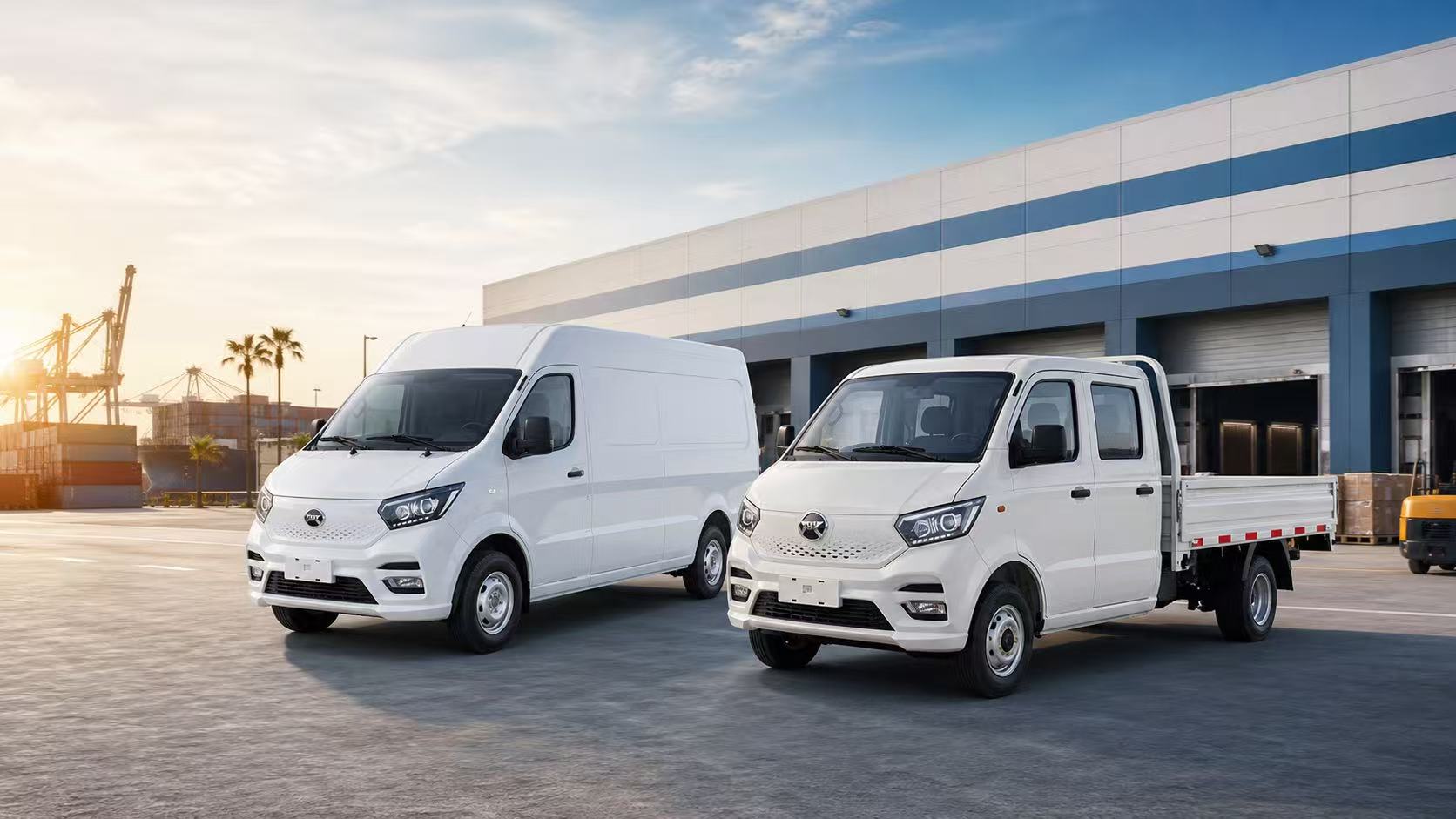
KAMA Export Supply Center supplies left-hand drive electric and fuel mini trucks, light duty trucks, and cargo vans for distributors, importers, and fleet buyers worldwide. Our team can recommend the right drivetrain configuration for your market conditions, confirm stock availability, and provide a detailed quotation — including support with pre-shipment inspection and export documentation.
Contact us today for a quick quote:Tel / WhatsApp: +86-13603996917 Address: No. 5888, Donghuan Road, Shouguang City, Shandong Province, China