FAQ
FAQ
Frequently Asked Questions About Left-Hand Drive Electric Commercial Vehicles
We understand that overseas buyers need clear and practical information before making a vehicle purchase decision. Below are some of the most frequently asked questions about our left-hand drive electric commercial vehicles, export support and cooperation process.
1. Do you supply left-hand drive electric vehicles?
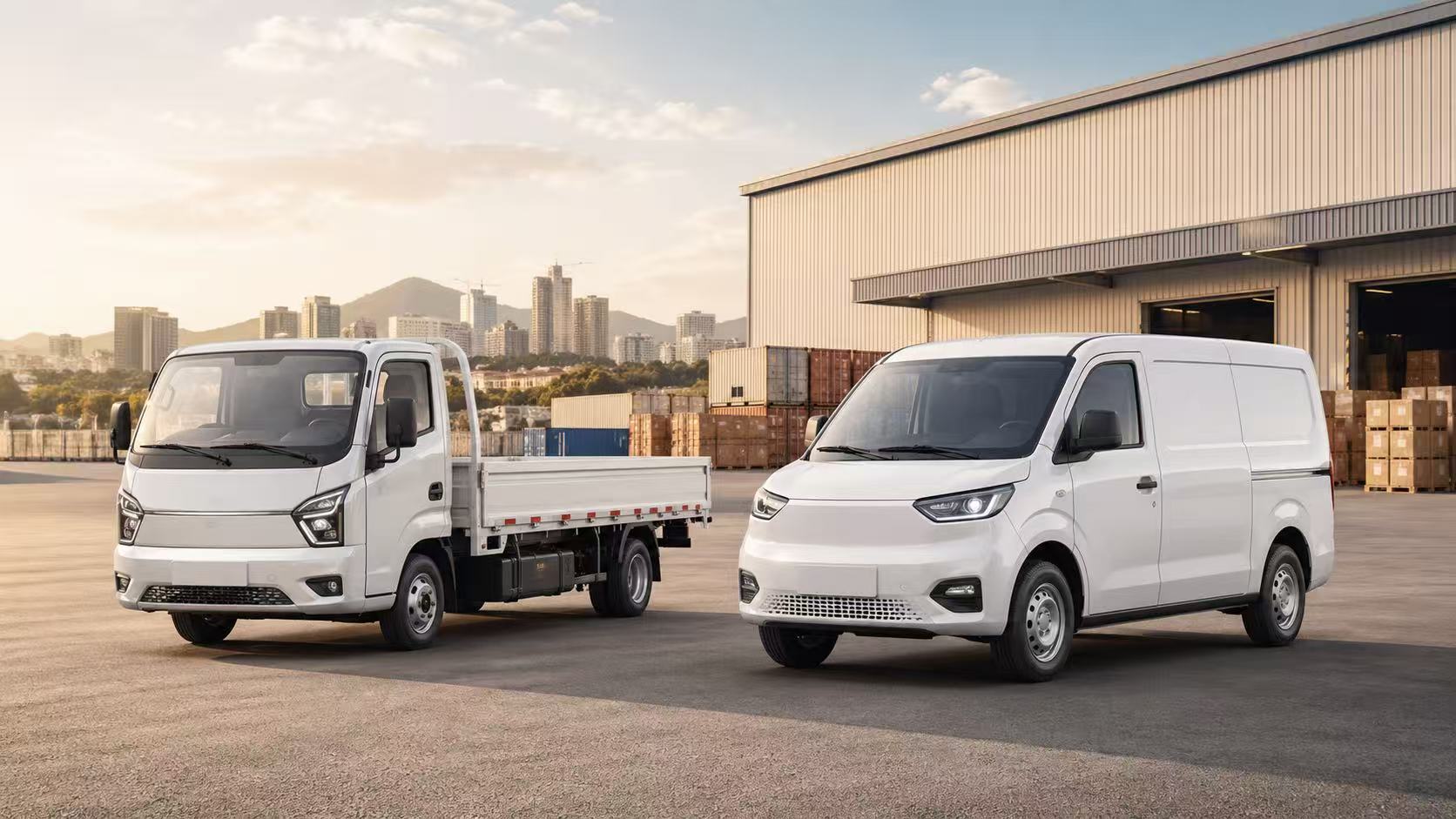
Yes. We focus on left-hand drive electric commercial vehicles for export markets where LHD configuration is required for legal road use and daily business operation. Our product range includes left-hand drive EV mini trucks, electric cargo vans and light-duty commercial vehicles for distributors, importers, fleet buyers and project customers.
2. What types of electric commercial vehicles do you offer?
Our main product categories include:
Left-hand drive EV mini trucks
Electric cargo vans
Light-duty electric commercial trucks
Urban delivery vehicles
Commercial fleet-use EV models
CKD / SKD cooperation solutions
These vehicles are suitable for logistics, last-mile delivery, beverage transportation, hardware distribution, service operations and other business uses.
3. Which markets are your left-hand drive EV models suitable for?
Our left-hand drive electric vehicles are suitable for many overseas markets that require LHD configuration. Buyers from Africa, the Middle East, South America and other left-hand drive regions often look for practical electric commercial vehicles with competitive operating costs and export-ready support.
We can recommend suitable models based on your market, local road conditions, operating scenarios and budget requirements.
4. Can you recommend the right model for my market?
Yes. We do not simply provide a vehicle list. We can recommend suitable models based on several factors, including:
Your country or target market
Road and climate conditions
Intended business use
Required loading capacity
Driving range expectations
Quantity and budget
Preference for ready units or project cooperation
This helps buyers select a more practical and marketable model instead of choosing only by appearance or price.
5. Are your electric vehicles available in stock?
Stock availability depends on the specific model, configuration and production schedule. Some models may be available as ready units, while others may require production or configuration confirmation.
When you send us your inquiry, please provide your preferred model, quantity and target market. We can then check stock status or recommend the closest available option.
6. Can I request customized configurations?
Yes. Depending on the model and order requirements, we can discuss customized configurations such as:
Vehicle body type
Cargo box options
Seat layout
Basic functional features
Market-oriented specifications
CKD / SKD cooperation options
Customization feasibility depends on model type, quantity and production conditions. For project buyers and distributors, we can also discuss longer-term cooperation solutions.
7. What information should I provide to get an accurate quotation?
To help us prepare a more accurate quotation, it is best to provide:
Target country
Vehicle type needed
Intended usage scenario
Required quantity
Preferred specifications or configurations
Desired driving range or battery preference
Purchase timeline
Budget range if available
The more clearly you describe your demand, the faster we can recommend a suitable model and quotation direction.
8. What are the main benefits of electric commercial vehicles in overseas markets?
Electric commercial vehicles are increasingly attractive for many business users because they can offer:
Lower operating cost
Reduced fuel dependence
Better suitability for urban delivery
Lower daily maintenance needs in many use cases
A modern and competitive product image in growing EV markets
For distributors and fleet buyers, electric vehicles can also create new product opportunities in markets where demand for practical and economical transport solutions is increasing.
9. What factors should buyers consider before importing electric commercial vehicles?
Before importing electric commercial vehicles, buyers should carefully evaluate:
Local regulations and registration requirements
Left-hand drive compliance
Charging conditions and energy availability
Road environment and usage intensity
Suitable vehicle size and payload
Spare parts and after-sales planning
Import documentation requirements
Battery-related transportation considerations
We recommend discussing these factors before finalizing the order, especially for first-time EV import projects.
10. What battery-related information can you provide?
Battery-related details may vary by model, but we can normally support confirmation of basic information such as:
Battery type
Battery capacity
Estimated range under reference conditions
Charging method
Basic charging time reference
Application suitability for different business needs
Because actual performance may vary depending on load, temperature, driving habits and road conditions, buyers should evaluate battery and range performance based on real operating scenarios rather than only ideal figures.
11. What affects the actual driving range of an electric commercial vehicle?
Actual driving range can be influenced by multiple factors, including:
Vehicle load
Road conditions
Driving speed
Traffic conditions
Temperature and climate
Use of air conditioning or electrical equipment
Driving habits
Battery condition over time
For this reason, model selection should be based on realistic daily operation needs rather than the highest theoretical range figure alone.
12. Do you support export inspection and shipping coordination?
Yes. We can support the export process with practical coordination, including:
Vehicle confirmation before shipment
Basic inspection communication
Shipping arrangement coordination
Packing and loading follow-up
Export document preparation support
Our goal is to help reduce misunderstandings and improve efficiency from quotation to delivery.
13. What export documents can you provide?
The exact document set depends on the product type, order terms and destination market. In general, export-related documents may include items such as:
Commercial invoice
Packing list
Bill of lading
Vehicle-related export information
Other documents required according to destination market or transaction terms
If your country has specific import or customs requirements, please let us know in advance so we can confirm the applicable documentation scope.
14. Do you provide spare parts support?
Yes. Spare parts support is an important part of overseas commercial vehicle operation. We can discuss basic spare parts planning, recommended parts preparation and after-sales coordination according to the vehicle type and order conditions.
For distributors and fleet buyers, it is especially important to prepare a suitable spare parts plan in advance to support local maintenance efficiency and reduce downtime.
15. What warranty and after-sales support do you provide?
Warranty and after-sales support depend on the vehicle model, product category and agreed commercial terms. In general, we place strong importance on after-sales communication and practical problem-solving support.
For overseas buyers, we recommend confirming the following before shipment:
Warranty scope
Main component coverage
Excluded wear items
Basic claim procedure
Spare parts preparation
Local service responsibilities
Clear communication before order confirmation helps both parties manage after-sales expectations more effectively.
16. Can you support distributors and long-term partners?
Yes. We welcome cooperation with distributors, importers, fleet customers and project buyers. We understand that long-term partners often need more than one vehicle order. They may also need:
Stable supply planning
Market-oriented model recommendations
Product structure support
Spare parts planning
After-sales coordination
CKD / SKD discussion for future development
We aim to build practical and stable business partnerships rather than only handle one-time inquiries.
17. Do you support CKD or SKD cooperation?
Yes. For suitable projects and markets, we can discuss CKD / SKD cooperation according to business needs, order scale and development plans. This type of cooperation may be useful for buyers who are considering local assembly, long-term market entry or a more flexible product supply strategy.
Please share your project background and market plan with us so we can discuss feasibility more efficiently.
18. How can I start an inquiry?
You can contact us with your basic requirements, including:
Country
Vehicle type
Quantity
Intended usage
Specification preference
Purchase timeline
Once we receive your inquiry, we can recommend a suitable model and follow up with quotation support, configuration discussion and export coordination.
FAQ Bottom CTA
Still Have Questions?
If you are looking for left-hand drive electric commercial vehicles for your market, send us your country, required model and quantity. Our team will help you evaluate suitable options and respond with practical quotation support.
Buttons:
Send Inquiry
Contact on WhatsApp
Get Quick Quote