Left-Hand Drive Electric Commercial Vehicles for Ethiopia and Emerging EV Markets
Left-Hand Drive Electric Commercial Vehicles for Ethiopia and Emerging EV Markets
Ethiopia is becoming one of the most important electric vehicle markets in Africa. For overseas distributors, importers and fleet buyers, this change is not only about passenger cars. It also creates a new opportunity for practical electric commercial vehicles, including left-hand drive EV mini trucks, electric cargo vans and light-duty electric trucks.
In 2024, Ethiopia announced a ban on the import of gasoline and diesel vehicles, becoming one of the first markets in the world to take such an aggressive step toward electric mobility. The policy was introduced to reduce fuel import costs, improve air quality and accelerate the transition to cleaner transport. At the same time, Ethiopia has also encouraged EV imports through more favorable tax treatment compared with traditional fuel vehicles.
For commercial vehicle buyers, this policy shift is especially important. Businesses in Ethiopia still need vehicles for urban delivery, goods distribution, service operations, agricultural supply, construction support and fleet transport. As the market moves away from gasoline and diesel imports, electric commercial vehicles are becoming a more practical choice for companies that want lower fuel dependence and modern transport solutions.
Why Left-Hand Drive Configuration Matters
Ethiopia is a left-hand drive market. For distributors and fleet operators, this means vehicle configuration is not a small detail. A left-hand drive electric vehicle is more suitable for local road use, driver habits, registration requirements and customer acceptance.
When buyers evaluate electric mini trucks or cargo vans, they should not only compare price and appearance. They should also confirm whether the vehicle is suitable for local operation. For Ethiopia and similar markets, the most important factors usually include:
Left-hand drive configuration
Battery capacity and driving range
Payload and cargo space
Road condition adaptability
Charging convenience
Spare parts availability
After-sales support
Export documentation and inspection support
A vehicle that looks attractive in a catalog may not be the best choice if it cannot match local roads, loading needs or daily business routes.
Why Electric Commercial Vehicles Fit Ethiopia’s Market Demand
Ethiopia’s EV transition is driven strongly by economic needs. The country has faced high fuel import costs, and electric vehicles are seen as a way to reduce dependence on imported fuel. At the same time, Ethiopia’s electricity supply is heavily supported by hydropower, which gives the country a stronger foundation for electric mobility compared with markets that rely heavily on fossil-fuel power generation.
For business users, this creates a clear opportunity. Electric commercial vehicles can be suitable for fixed routes, city delivery and short-to-medium distance transport. These are exactly the scenarios where EV mini trucks and cargo vans can show practical value.
For example, an EV mini truck can be used for:
Urban goods delivery
Beverage and food distribution
Hardware and building material transport
Small business logistics
Agricultural product delivery
Service and maintenance operations
An electric cargo van can be suitable for:
Courier and parcel delivery
E-commerce logistics
Enclosed goods transportation
Service fleet operations
City distribution routes
A light-duty electric truck can serve buyers who need stronger load capacity and a more professional commercial vehicle image.
The Market Opportunity Is Real, But Buyers Must Be Practical
Ethiopia’s EV market is growing quickly, but it still faces challenges. Public reports have highlighted issues such as charging infrastructure limitations, spare parts shortages and a lack of trained EV mechanics in some areas. These challenges do not mean the market is not suitable for EVs. Instead, they show that buyers must choose products and suppliers more carefully.
For distributors, this is very important. Selling electric commercial vehicles is not only about importing the lowest-price model. Long-term success depends on whether the vehicles can be used, maintained and supported in the local market.
Before placing an order, buyers should confirm:
Which model is suitable for local roads and daily use
Whether the battery range matches real business routes
Whether spare parts can be prepared in advance
Whether the supplier can support technical communication
Whether export documents and inspection can be arranged properly
Whether the vehicle configuration fits the target customer group
For first-time EV importers, a practical model selection strategy is often more valuable than simply choosing the cheapest vehicle.
Why KAMA Electric Commercial Vehicles Are Suitable for Left-Hand Drive Markets
KAMA focuses on practical commercial vehicle solutions for overseas buyers. For left-hand drive countries such as Ethiopia and other emerging EV markets, KAMA electric commercial vehicles can provide flexible options for distributors, importers and fleet customers.
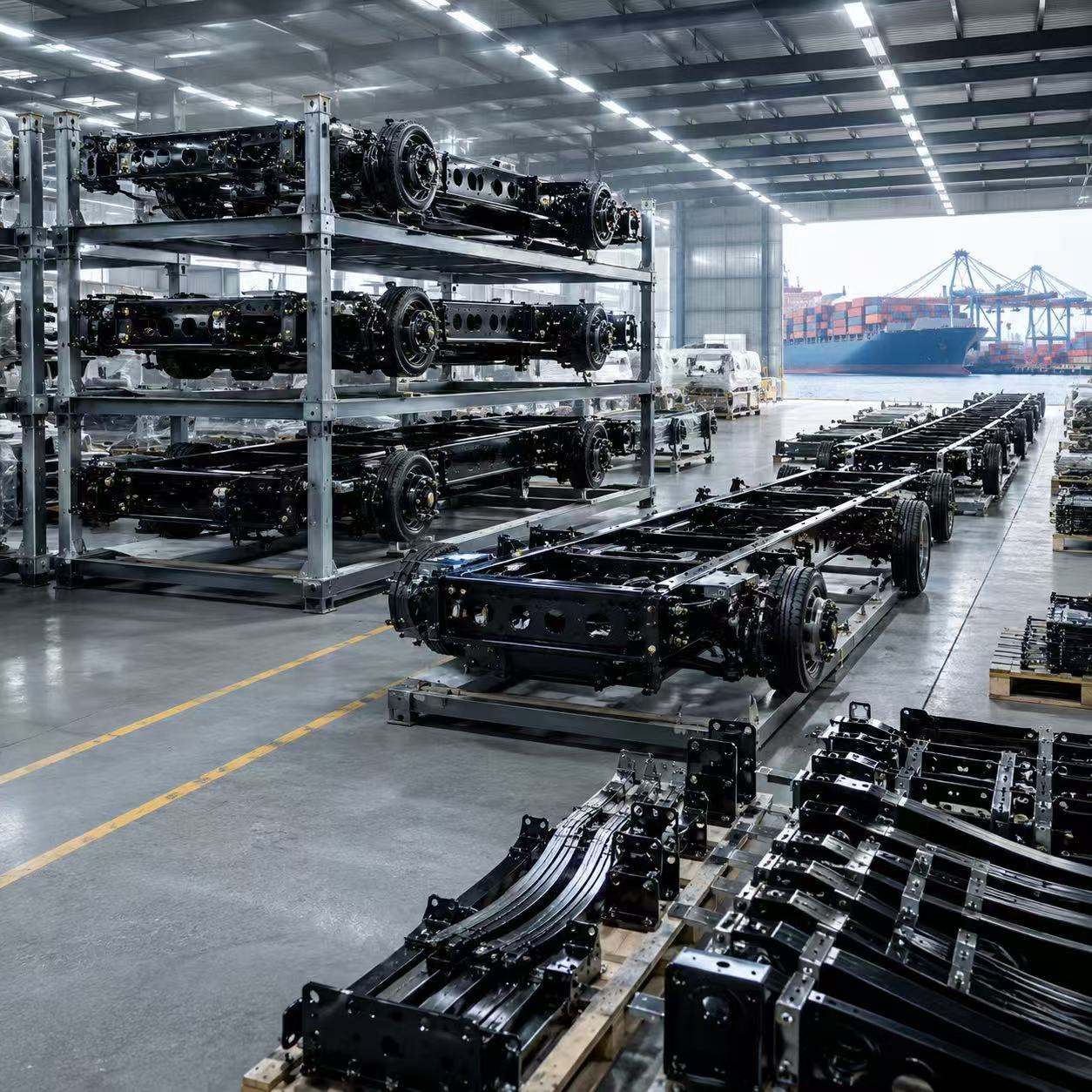
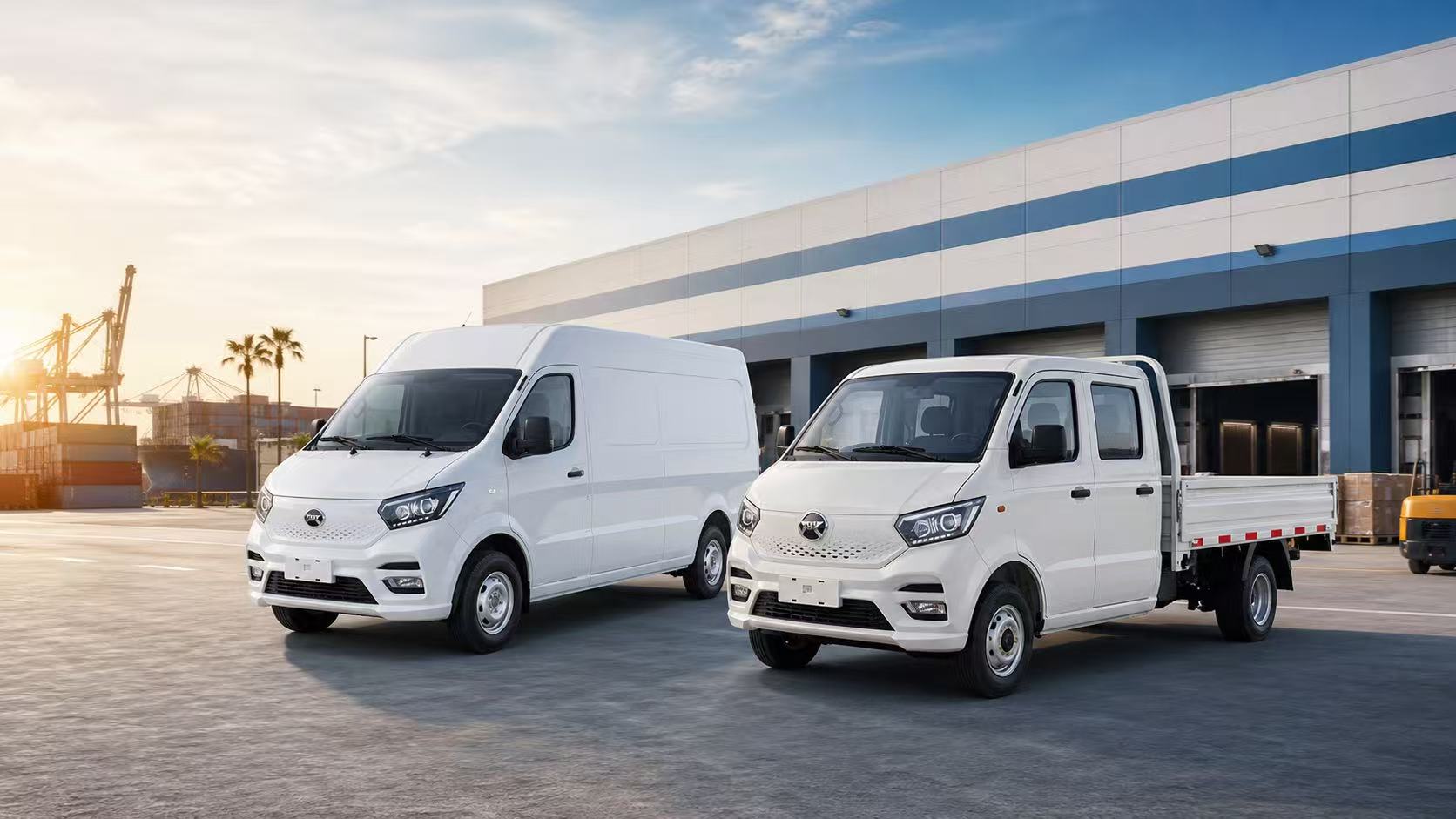
Our product range includes EV mini trucks, electric cargo vans, light-duty electric trucks and CKD/SKD cooperation solutions. These models are designed for real business use, including logistics, urban delivery, distribution and commercial fleet operation.
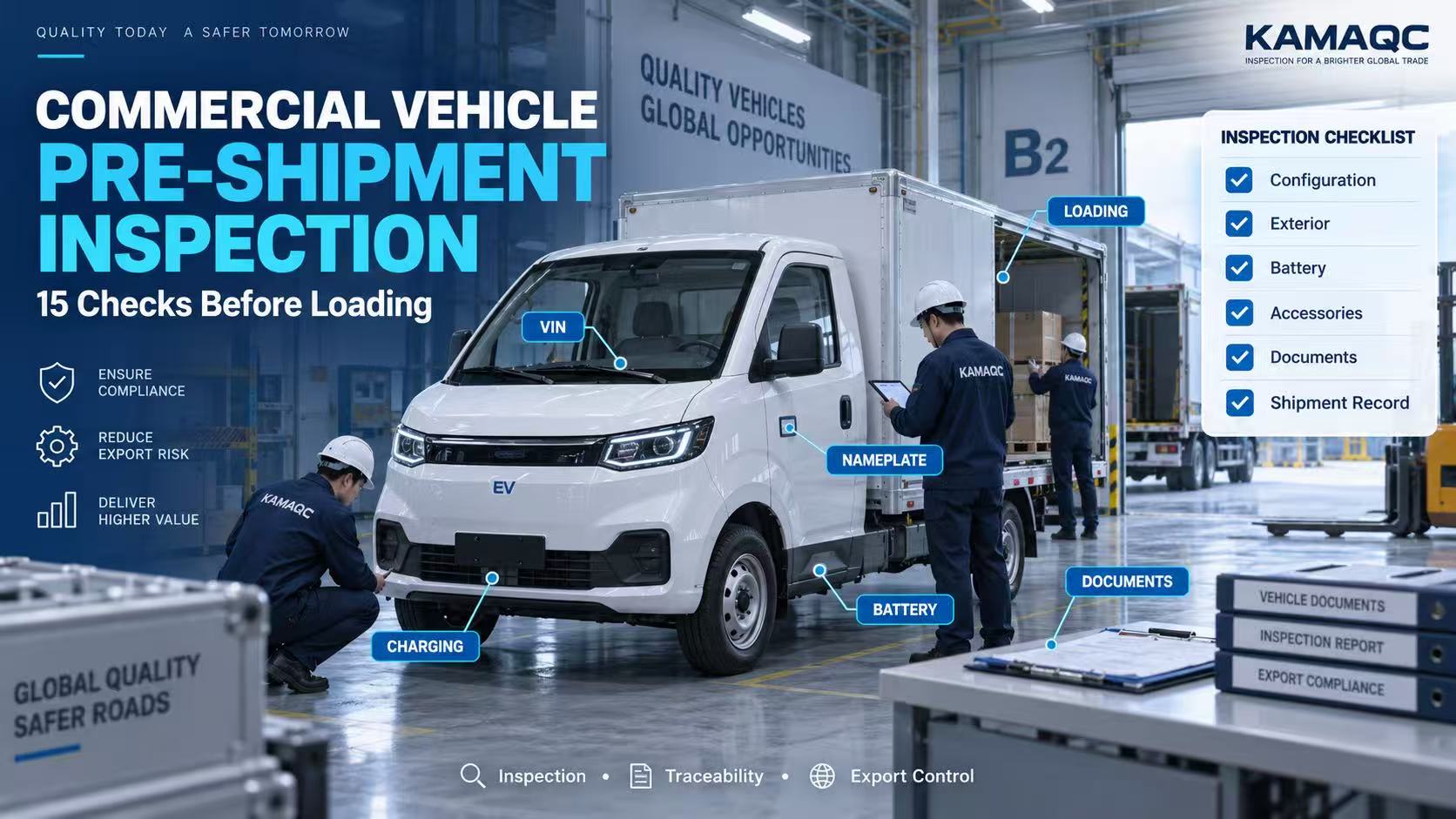
More importantly, overseas buyers need export support, not only vehicle supply. KAMA Export Supply Center can assist customers with model recommendation, quick quotation, stock confirmation, configuration discussion, export coordination, inspection support and after-sales communication.
This helps buyers reduce uncertainty before shipment and select models that are more suitable for their local market.
What Overseas Buyers Should Consider Before Importing EVs
If you are planning to import electric commercial vehicles for Ethiopia or other left-hand drive markets, we recommend evaluating your project from a business-use perspective.
First, define the vehicle application clearly. A vehicle used for city parcel delivery may require different cargo space, range and charging needs compared with a vehicle used for rural goods transport.
Second, confirm the expected daily route. Electric vehicles are most efficient when the route and charging plan are predictable. For commercial buyers, route planning is closely linked to battery selection and long-term operating cost.
Third, prepare spare parts and after-sales planning before shipment. In emerging EV markets, after-sales readiness can directly affect customer satisfaction and distributor reputation.
Finally, work with a supplier who understands export markets. A reliable supplier should help you match the vehicle to your country, business scenario and purchase plan, instead of only sending a price list.
A New Opportunity for Distributors and Fleet Buyers
Ethiopia’s EV policy has made the country a key market to watch. But the opportunity is not limited to Ethiopia. Many left-hand drive countries in Africa, the Middle East and South America are also paying more attention to electric commercial vehicles as fuel costs rise and urban logistics demand grows.
For distributors, this is the right time to evaluate electric mini trucks, electric cargo vans and light-duty electric trucks as new business categories. For fleet buyers, it is also a good time to explore practical EV options that can reduce fuel dependence and support daily operations.
At KAMA Export Supply Center, we support overseas buyers with left-hand drive electric commercial vehicle solutions for different market needs. Whether you are sourcing for Ethiopia, Africa, the Middle East or South America, we can help you evaluate suitable models and provide quotation support.
Looking for Left-Hand Drive Electric Commercial Vehicles?
If you are looking for EV mini trucks, electric cargo vans or light-duty electric trucks for Ethiopia or other left-hand drive markets, contact KAMA Export Supply Center today.
Tell us your country, intended use, quantity and preferred vehicle type. Our team will recommend suitable electric commercial vehicle options and provide quick quotation support for your project.